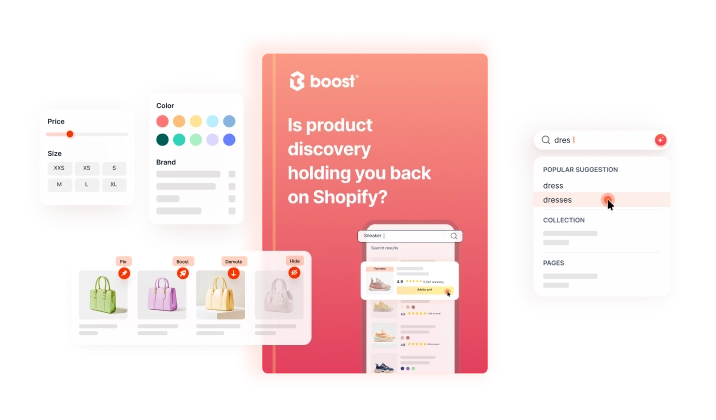
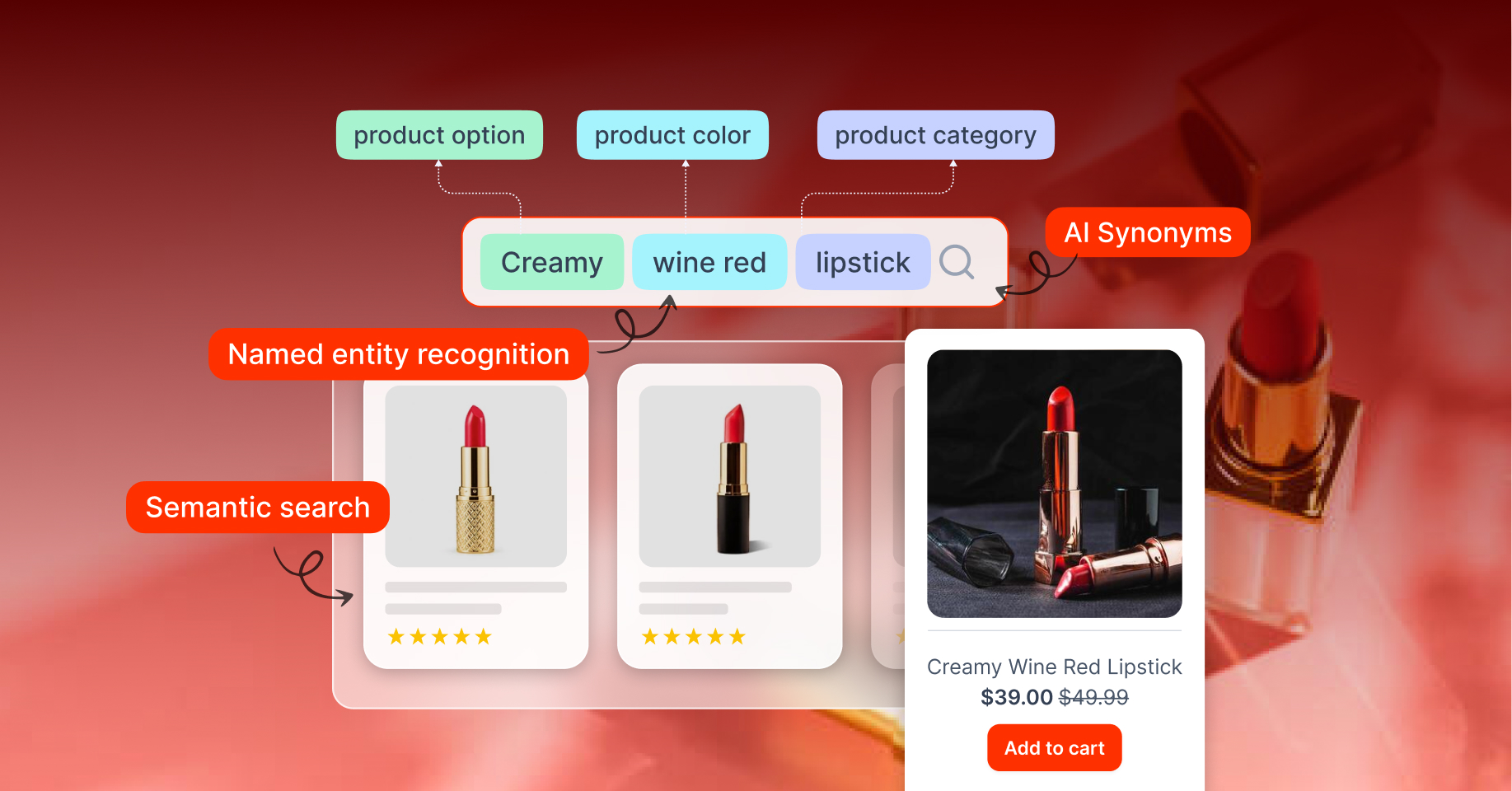
Product recommendations are displayed through widgets: blocks that pull content and data from a product recommendation app and render it on a page. The widgets available to you depend on the app powering your store, but the most useful ones include bestsellers, new arrivals, recently viewed, recommended for you, frequently bought together, related items, and predictive bundles.
What's changed since the last time most merchants audited this is the widget's engine. Recommendations used to rely mostly on simple rules and purchase history. Now AI models weigh browsing behavior, cart contents, inventory, and margin in real time, and AI-powered recommendation engines can adjust what a shopper sees from one session to the next. That shift makes it easier than ever to run several distinct, relevant widgets on the same page instead of one static block.
Shoppers are not one audience. A homepage visitor could be brand new or a loyal repeat customer. Someone reading a product page could be ready to buy or still weighing three tabs open in their browser. Running the same recommendation widget everywhere ignores those differences, and shoppers notice.
The data backs this up. McKinsey research found that 71% of consumers now expect personalized interactions, and 76% get frustrated when they don't get them. The same research found that companies that excel at personalization generate 40% more revenue from those efforts than average performers. On the product recommendation side specifically, Barilliance found that a single engaged click on a recommendation can lift average order value by 369% and conversion rate by 288% compared to sessions with no engagement at all.
“Merchants who run one generic recommendation carousel across the entire store are leaving money on the table. A homepage visitor wants proof they're in the right place. A cart page visitor wants confidence they're making a smart final call. Those are two different jobs, and they need two different widgets.” - Nancy Vu, Product Manager, Boost Commerce
That's the case for a diverse, page-specific set of widgets rather than a single sitewide default.
The homepage serves two audiences with opposite needs. First-time visitors need to be convinced your store is worth their time, so lead with bestsellers, which work as social proof. Returning visitors respond better to a personalized approach, such as recently viewed or recommended-for-you widgets. Round it out with new arrivals so every visitor, new or returning, sees something current.

Collection and product pages give you the clearest signal of intent, so keep widgets directly related to what's being viewed. On collection pages, pair new arrivals from that category with recently viewed items. On product pages, frequently bought together and related items are the minimum. Save broader widgets like bestsellers and most viewed for the collection page, and keep product pages focused so recommendations don't dilute the shopper's decision.

Baymard Institute's checkout research found that 52% of desktop sites show cart cross-sells that are irrelevant or based only on generic bestseller data, and shoppers are quick to tune those out. Mix recommendations based on the shopper's specific cart contents (complementary items, frequently bought together) with lighter personalization like recently viewed. Skip alternative or competing products entirely. At this stage in the journey, the shopper has decided; your job is to support that decision, not second-guess it.

Product recommendations are no longer just an on-site feature. Shoppers are increasingly researching purchases through generative AI tools before they ever land on your store. Adobe's 2025 shopping data found that generative AI referral traffic to US retail sites grew 4,700% year-over-year by July 2025, and 38% of consumers had already used generative AI for shopping tasks, with 40% of those specifically asking for product recommendations. That's a leading indicator, not a niche trend.

At the same time, Shopify's own research points to hyper-personalization as one of the defining commerce trends of 2026, moving stores beyond basic “customers also bought” logic toward recommendations that adjust in real time to intent, inventory, and even the channel a shopper arrived from. Gartner projects multimodal AI, which blends text, image, and video understanding, will power more than 60% of generative AI solutions by 2026, up from under 1% in 2023, opening the door to recommendations driven by a photo a shopper uploads rather than just a search term.
“The merchants who win in 2026 won't be the ones with the most recommendation widgets. They'll be the ones whose recommendations show up wherever the shopper is already looking, whether that's a collection page, a cart, or a chat window with an AI assistant. Relevance is the constant. Only the surface is changing.” - Tom Goodwin, COO, clearer.io
Adding more widgets only helps if they're organized with intent. Define the goal for each page: upsell on product pages by ranking bestsellers and trending items higher, or cross-sell on the cart page by leading with frequently bought together. There's no universal ranking that works for every store, so run regular A/B tests to see what your shoppers respond to.
Copy and visual cues matter just as much as placement. Star ratings, product badges, and clear pricing make recommendations easier to trust at a glance. Conversational phrases like “Top rated,” “Pair with,” and “Customers also loved” read as helpful rather than promotional, which keeps the experience feeling human even when an algorithm is doing the work behind it.
Multiple product recommendation widgets give you the diversity needed to stay relevant across every stage of the shopper journey. The formula hasn't changed: match each widget to what the shopper actually needs on that page, back it with real data, and keep testing. What has changed is the toolkit. AI-powered recommendations, predictive bundles, and generative search mean relevance is easier to deliver at scale than ever, if your store is set up to take advantage of it.
Boost helps Shopify merchants build exactly this kind of page-specific, AI-powered recommendation strategy, from homepage to checkout. For a longer look at how shopper expectations have evolved, see our recap of product recommendation trends and statistics.
There's no fixed number, but one to two well-chosen widgets per page usually outperforms a single generic block or an overcrowded page. Homepages can support two or three widget types since they serve a broader audience; product and cart pages work best with one or two tightly relevant widgets so they don't compete with the shopper's decision.
Related items show alternatives or similar products, helping shoppers who are still comparing options. Frequently bought together shows complementary products that pair with what's already being viewed or purchased, aimed at increasing the size of the order rather than replacing the item in it.
Not entirely. Most stores get the best results from a mix: AI handles the bulk of personalization at scale, while merchandising rules let you protect margin, prioritize inventory, or exclude out-of-stock items. See our comparison of rule-based versus AI-powered recommendations for a deeper breakdown.
Track click-through rate, the share of recommended products that end up in the cart, and average order value for sessions that engaged with a recommendation versus those that didn't. Our guide on measuring product recommendation performance walks through the full set of metrics worth tracking.